

Evidence-Informed Resources
Clear guidance for your fasting routine.
Understand the basics of fasting physiology through accessible, research-informed explanations. Learn how timing your eating window may support alignment with your natural circadian rhythm—without calorie counting, strict rules, or unnecessary complexity.
Scientific Library
The fasting curriculum
Explore clear, research-informed guides on intermittent fasting, including how the body adapts to fasting, common time-based protocols, and how to structure a routine that fits your daily life.
01 / Physiology
02 / Protocol
03 / Research
What is Fasting
16:8 Guide
Benefits of Fasting
Understand how the body shifts between using glucose and fat-derived ketones during periods of fasting, and how these energy systems adapt over time.
A simple, structured guide to time-restricted eating. Learn how to align your eating window with your daily rhythm in a way that fits your lifestyle.
Explore current research on fasting, including studies on metabolic health, energy regulation, and cellular maintenance processes such as autophagy.
The science of autophagy
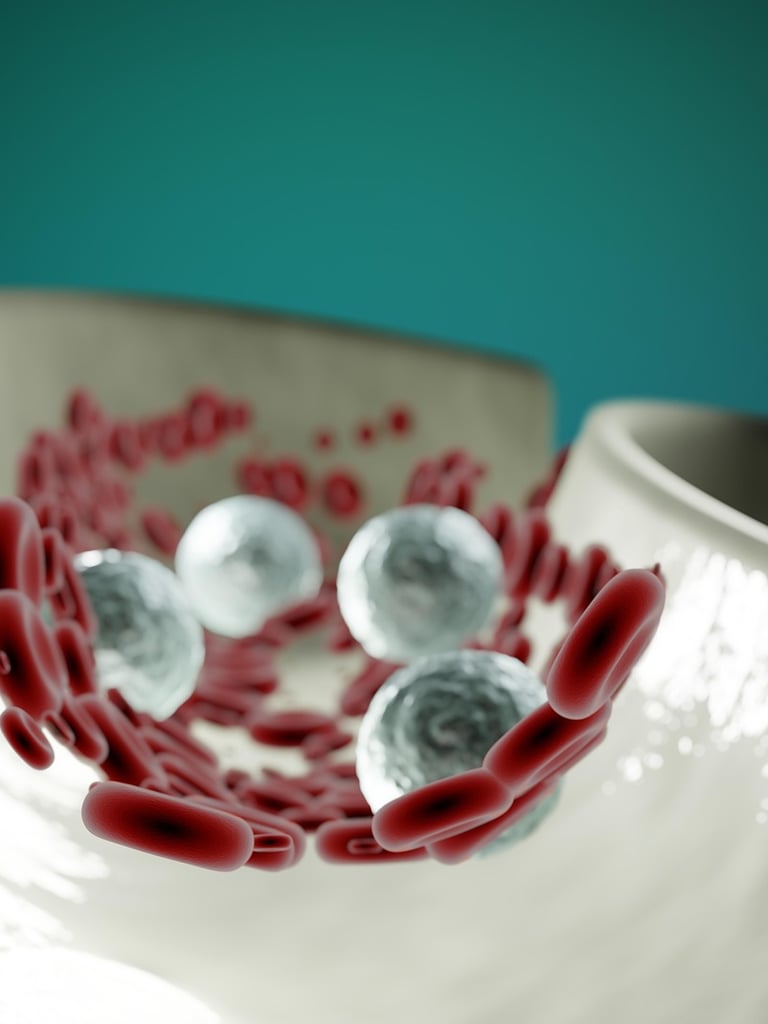
Autophagy is a natural cellular process involved in breaking down and recycling damaged proteins and cellular components. It plays a role in the body’s ongoing maintenance and adaptation to energy availability.
During periods of fasting, autophagy activity may increase as insulin levels decrease and the body shifts toward using stored energy. These processes are part of normal metabolic regulation and vary between individuals.
Our Philosophy
We focus on time, not calories. The body naturally adapts to periods of eating and fasting, and structured time windows may support more consistent daily rhythms and reduced dietary complexity.